
YES Guitars
Tonewoods
The woods that built electric guitar history — chosen for availability, stability, machining, and how they behave under real pickups. Below is a practical guide to feel and frequency balance: highs, mids, and lows.
Why these woods?
In the classic eras, factories weren’t chasing exotic materials — they were optimizing for consistent results: stable boards, predictable weights, clean routing, paint-friendly grain, and a balanced acoustic platform that let pickups do their job.
Stability
Good wood stays put. That means fewer surprises after routing, shipping, and finishing.
Machining
Clean cuts, crisp cavities, and accurate neck pockets — the foundation of a great build.
Frequency balance
Think in highs / mids / lows — then choose a wood that supports your pickups and rig.
Alder
Balanced • Classic Fender standard
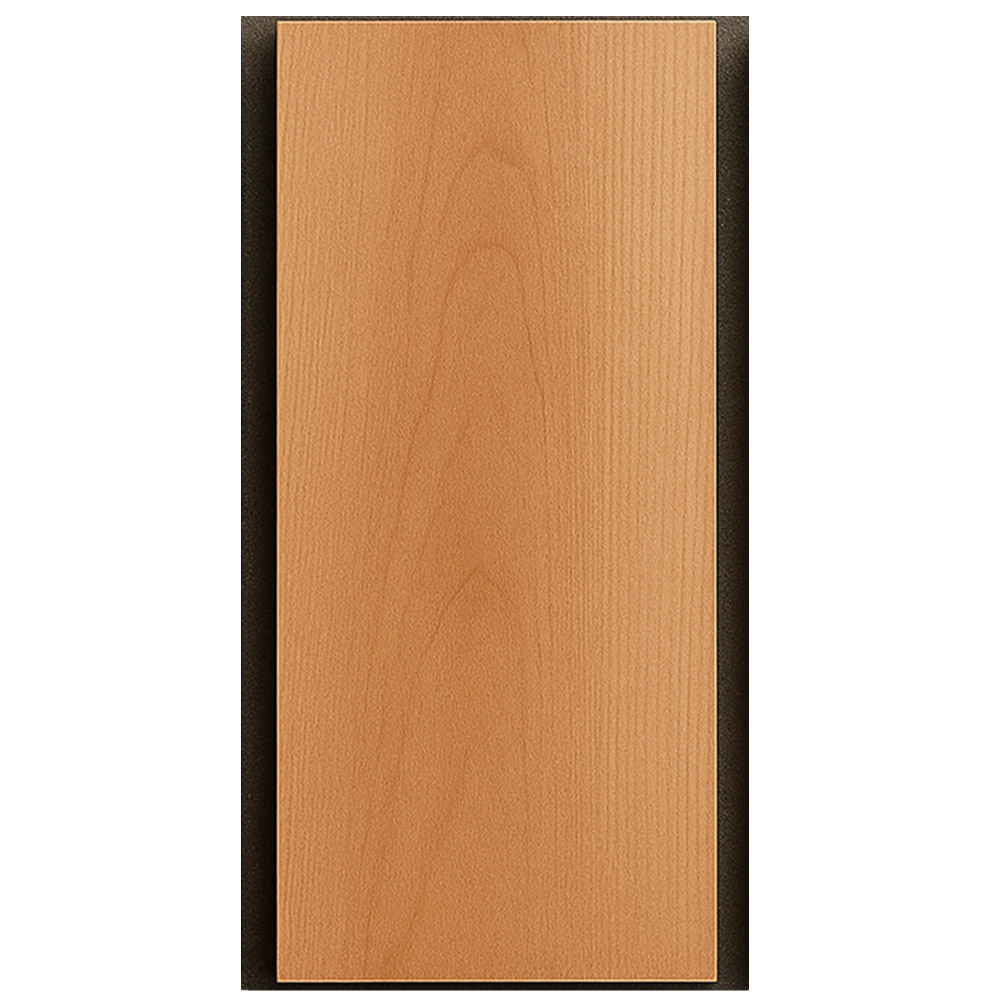
Alder became the backbone of many mid-century Fender guitars once supply became reliable. It’s a builder’s wood: stable, consistent, and friendly to opaque finishes.
- Why it was used: consistent weight, easy machining, paint-friendly grain.
- Feel: medium weight, stable and predictable.
- Tone: balanced — doesn’t exaggerate any one range.
Swamp Ash
Bright • Open • Lightweight
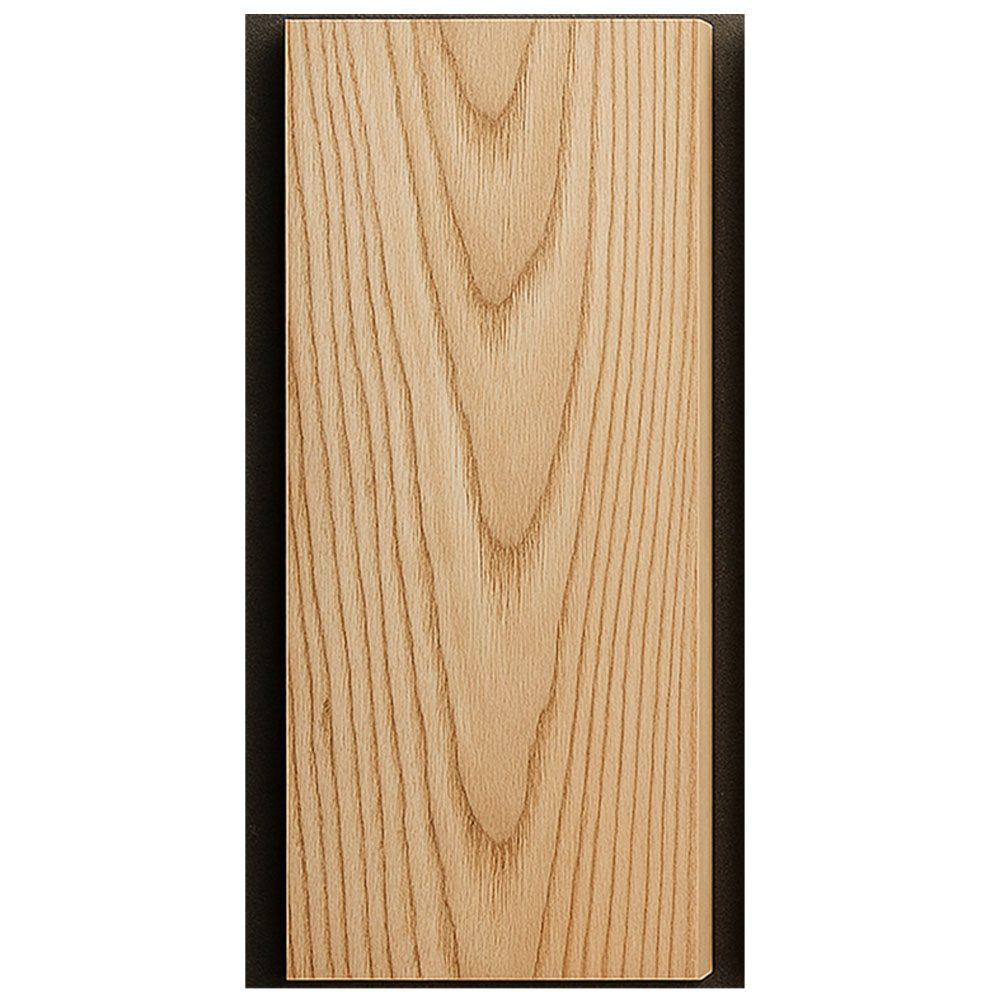
Swamp ash is prized for being lightweight and acoustically “alive.” It’s often associated with early Fender-era instruments and finishes that show grain.
- Why it was used: strong resonance at low weight; beautiful grain for blonde/transparent finishes.
- Feel: lively attack; often one of the lightest classic options.
- Tone: bright and open with deep lows and a slightly scooped midrange.
Poplar
Smooth • Mid-forward • Stable
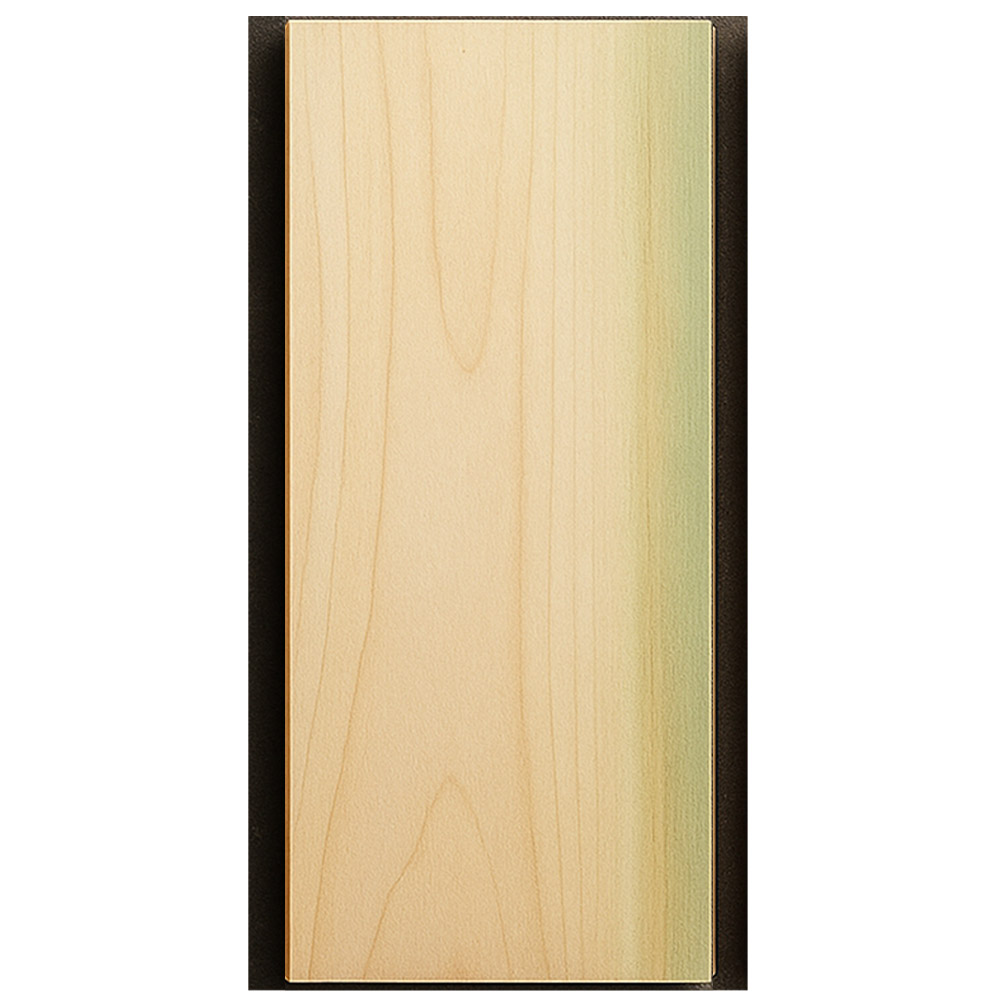
Poplar is one of the great “builder” woods: stable, consistent, and easy to machine. It’s commonly associated with later student-model eras where reliability mattered.
- Why it was used: stability, consistent machining, reliable supply.
- Feel: ::contentReference[oaicite:0]{index=0} medium-light and predictable.
- Tone: warm mids with softened highs; tight, controlled low end.
Basswood
Warm • Even • Lightweight
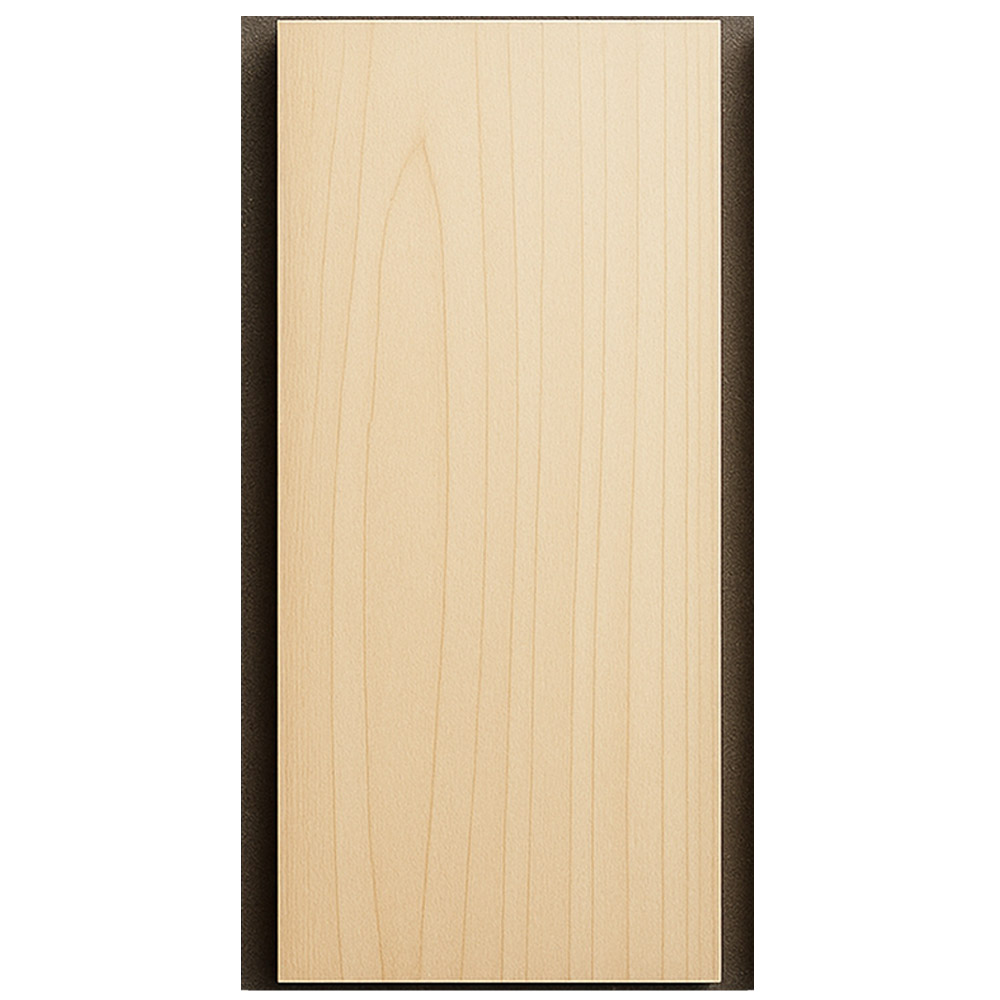
Basswood is prized for being light, stable, and consistent. It tends to keep the response even, letting pickups and hardware dominate the final voice.
- Why it was used: light weight, stability, and easy machining.
- Feel: very comfortable on a strap; “easy” response.
- Tone: warm, mid-supportive, with softened highs and controlled lows.
Quick compare
No hype — just an at-a-glance guide.
| Wood | Highs | Mids | Lows | Typical vibe | Finish fit |
|---|---|---|---|---|---|
| Alder | Clear | Focused | Tight | Balanced, classic | Solid colors (great) |
| Swamp Ash | Bright, open | Slight scoop | Deep, piano-like | Snap + air, definition | Transparent/blonde (great) |
| Poplar | Soft | Warm | Controlled | Smooth, stable | Solid colors (great) |
| Basswood | Soft | Strong low-mids | Controlled | Light, even, pickup-forward | Solid colors (best) |
FAQ
Does wood matter on an electric guitar?
Pickups and setup do most of the work, but the body is the platform: weight, stiffness, and damping shape how the instrument feels, sustains, and responds. Wood matters most in feel, balance, and the “shape” of the attack.
What should I choose if I’m unsure?
Alder is the safest “historically-correct default.” If you want more snap and grain character, choose swamp ash. If you want smooth and stable, poplar. If you want lighter weight and warm low-mids, basswood.
Is alder correct for a 1969 Mustang-style body?
Yes — alder is the correct default for late-60s Mustang-era builds. Poplar becomes more common later (70s), but for ’69-style, alder is the classic foundation.
Choose your foundation
Start with the right body wood, then build the rest your way — hardware, pickups, finish, and setup.